
Ex-Service Personnel Advisory Group
Jason Shepherd (Chair):
Jason served with the military for over 29 years, primarily with RAOC/RLC Bomb Disposal and United Kingdom Special Forces (UKSF), and deploying on all first Gulf War operational tours. He left the regular Army to join the Army reserves. He had service-related mental health issues, being diagnosed with PTSD in 2015 and Complex PTSD and significant adjustment disorder in 2020. As an accredited Armed Forces Network Service Champion, he uses his lived experiences to advocate for veterans, and to collaborate and offer advice from a military perspective. He has collaborated with The Royal Marine Charity, Swansea University, HMPPS, NHS England, MOD, as well as Veteran support services within his local area. He has collaborated with NHS England in the evaluation and commission of OP Nova, the NHS commission supporting veterans in the Justice system. Jason is currently studying for an Open BSc (Hons) Degree in Law, history and mental health having previously gained academic qualifications in stress management, counselling, safeguarding, substance abuse, and PTSD.
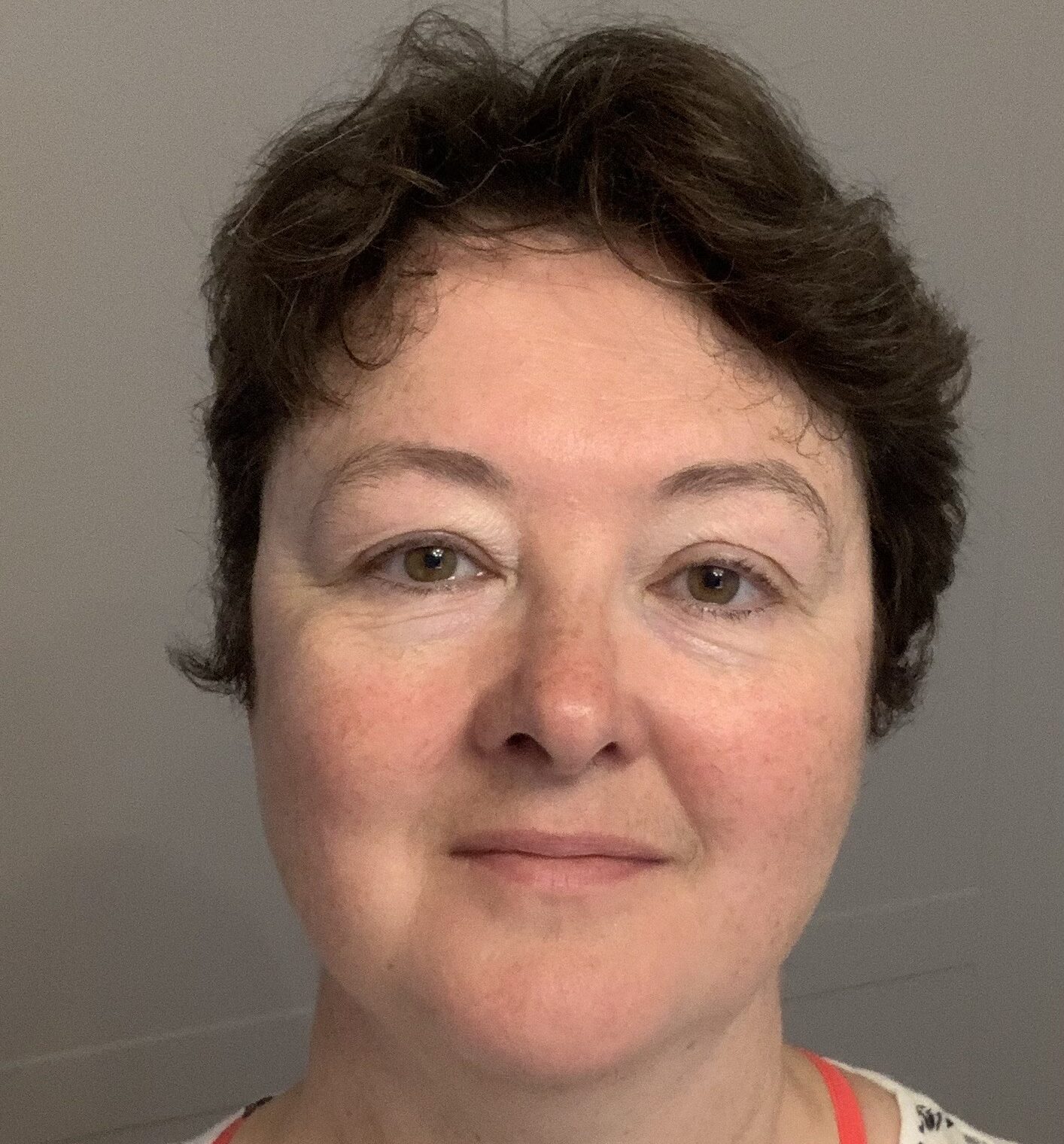
Debbie Cooper-Jones:
Debbie qualified as a dentist in 1989 and served as a Dental Officer in the Royal Air Force on bases in the UK and Germany from 1991 to 1999. She also has lived experience of being a military spouse and parent.
She developed significant health issues leading to early retirement and now volunteers as a Peer Mentor with Op Courage, is a Partner on the NHS England Public Patient Voice Group and has participated in various research projects.
She completed a Postgraduate Certificate in Integrative psychotherapy in 2021. Her interests are trauma recovery, neurodiversity, and women’s health.
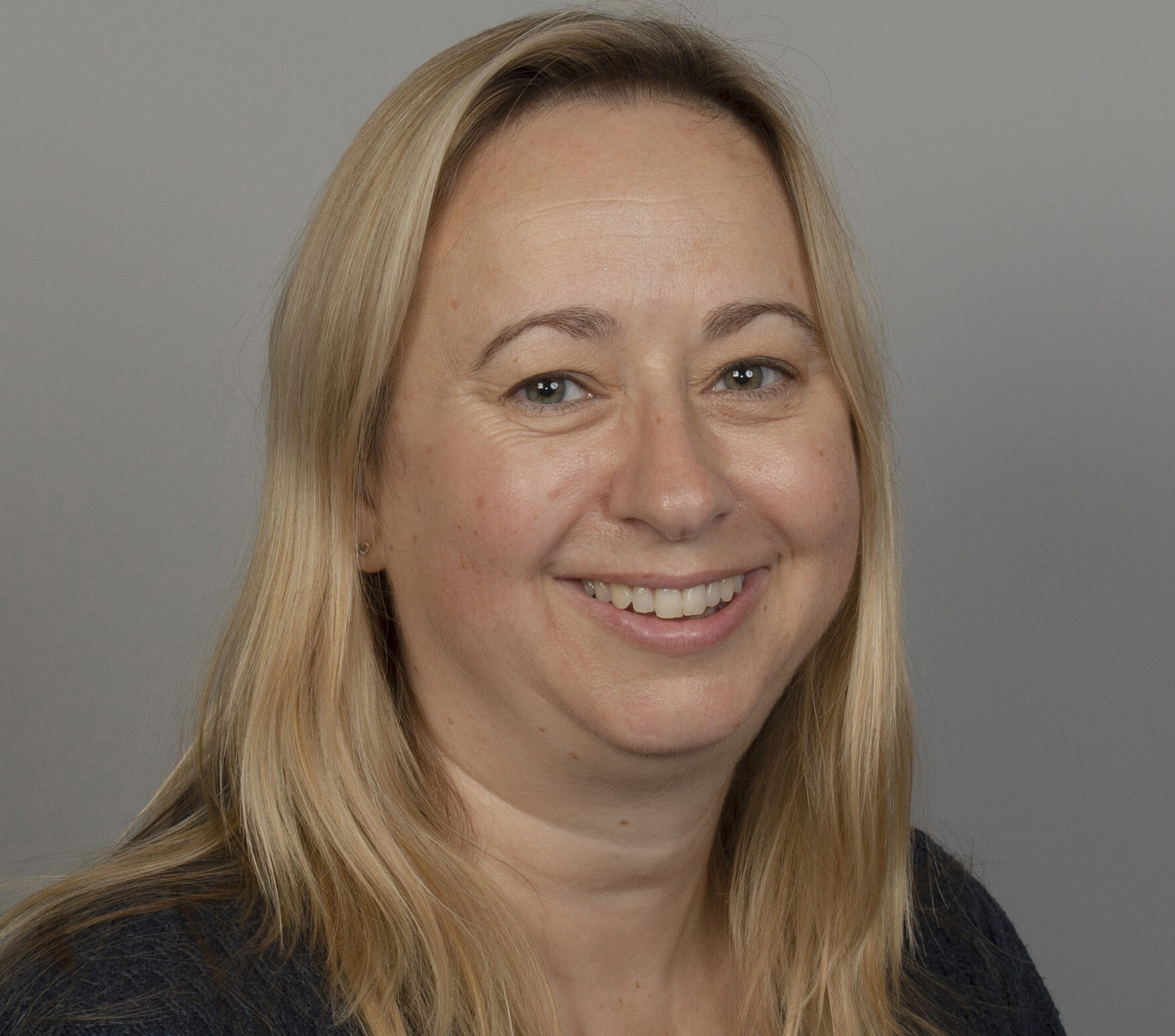
Alison Cotton:
Alison is the partner of a Veteran with Complex PTSD and so brings her own experiences around this to the group. She is keen to advocate and be a voice for the partners and families of Veterans. She has collaborated with many organisations and she is a member of the NHS Armed Forces Public Patient Voice Group.
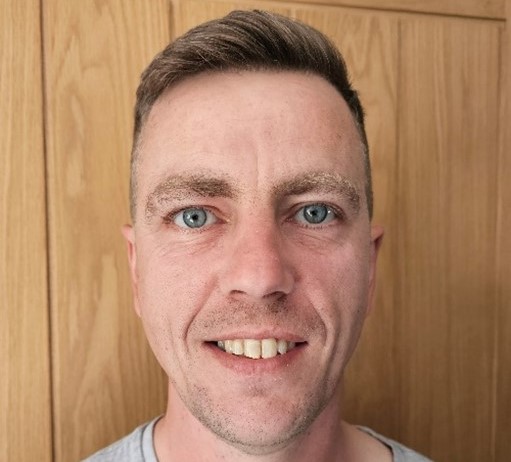
Anthony Murray:
Anthony Murray is a local business owner and has served in Afghanistan while in 2 Scots Royal Regiment of Scotland. Anthony took part in the earlier stages of this process and has been providing a military perspective for the last few years.
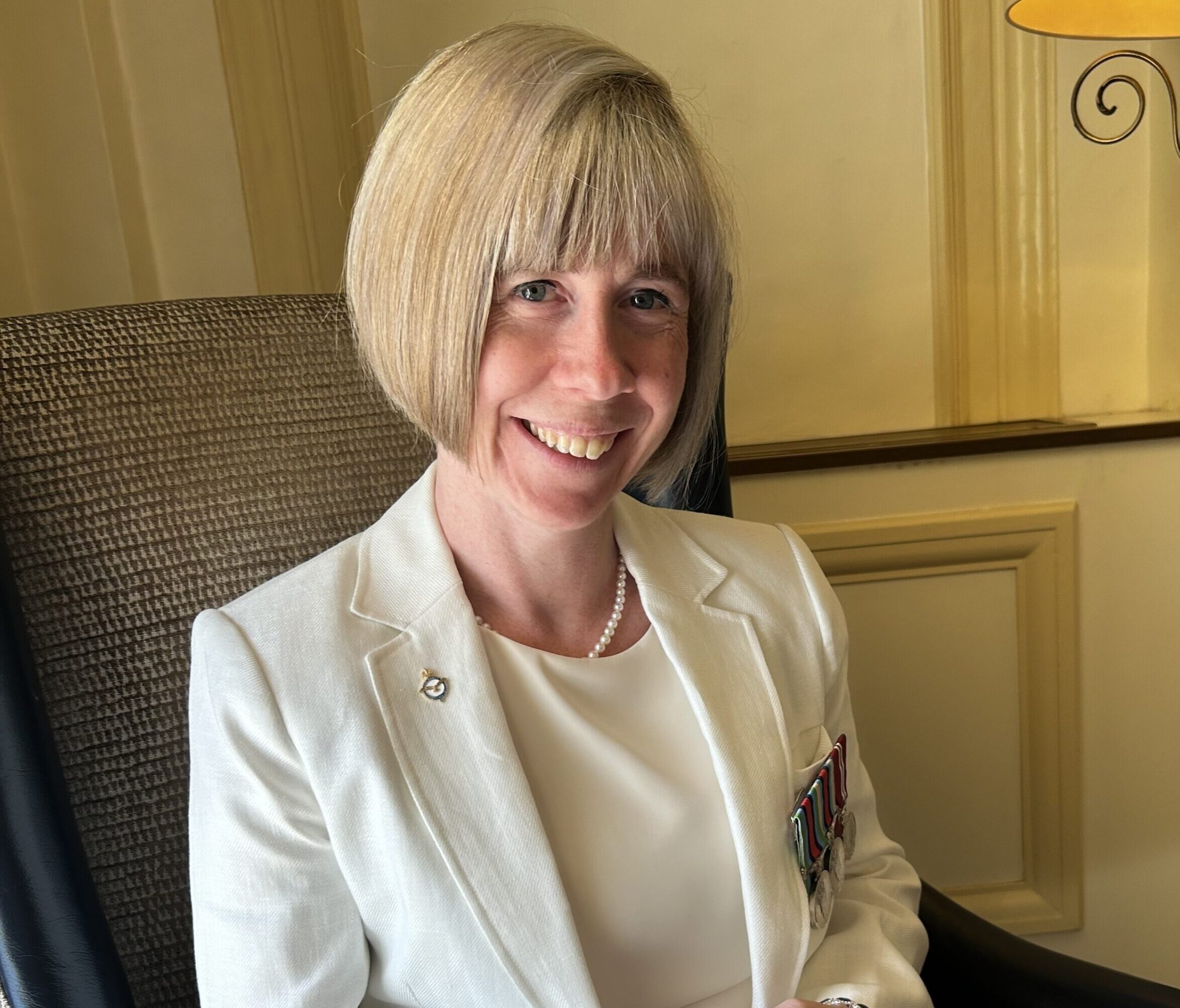
Dawn Quick:
Dawn joined the Royal Navy in October 1998, serving on board HMS Ocean and HMS Campbeltown as an Operator Mechanic Communications. She served on numerous operational tours as part of a tri-service force. After qualifying as a Registered Nurse, she joined the Royal Air Force, spending most of her career at the Royal Centre for Defence Medicine in Birmingham, followed by the Defence Medical Rehabilitation Centre Headley Court. As a military nurse, Dawn worked predominantly within the speciality of neuro rehabilitation. After suffering a service attributable injury, she was medically discharged from the RAF in 2012.
Dawn has a keen interest in research that can help those within the military community. She has written a number of articles for legal journals on matters associated with injury sustained in service.

pETER Quick:
Peter joined the RAF as a Nursing Officer in 1999, following 15 years as an NHS nurse. He was qualified as a paediatric, general and psychiatric nurse, with specialist qualifications in emergency nursing. He was a Flight Commander on the Aeromed Squadron for three years. Peter had Operational tours in Bosnia, Iraq (OIC IRT) and Afghanistan (MERT).
His final post was five years in Birmingham at the Academic Department of Emergency Medicine (ADMEM), gathering trauma data for casualties from Telic and Herrick. This data was used to improve front-line and hospital medical care. This post gave him a better understanding of clinical research and how data is used.
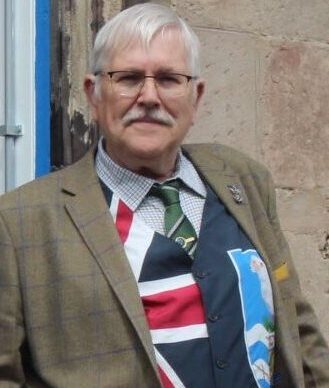
David Terron:
Served 1977 to 2000. Six tours of Northern Ireland (5 roulement tours/1 two year residential) , MFO Sinai during Gulf War 91 and awarded Falklands Medal. Served as Orderly Room Sergeant then went to University of Stirling (BA(Hons) English History and Education). Spent 17 years teaching English at Elgin Academy until retiring last year. Assessed as 80% disabled (deaf, lame and PTSD) on discharge. My old comrades still think I’m their Company Clerk hence my regular involvement in welfare and other matters. I have been involved in the early stages of PETT and the original King’s College research events.
Eric Thresher:
Signed up in 1969 at 17 and following basic training was posted to 22 Engineer Regiment. Less than a week later I was posted to the RSME in Chatham for trade training. Following that I served in the Bahamas, Malaysia, Singapore, Scotland, Wales and two tours in Northern Ireland.
The PETT course has helped me put my thoughts into where they should be.
Group facilitated by:
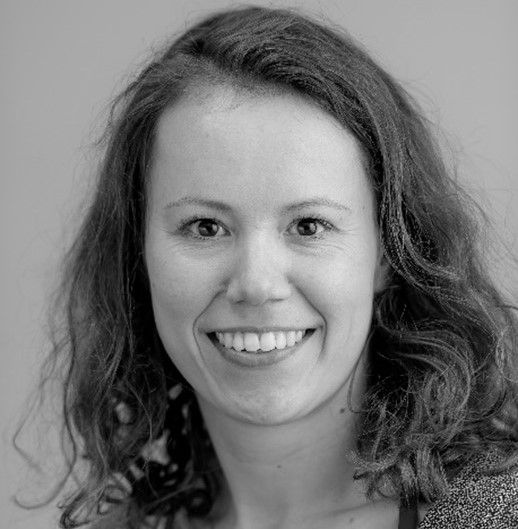
Sharon Stevelink:
Dr Sharon Stevelink is a Reader in Epidemiology based at King’s College London. She leads on a range of studies exploring work and health, including the health and wellbeing of military personnel and veterans. Sharon has published over 120 scientific papers and book chapters and is an independent scientific member of the Industrial Injuries Advisory Committee. She holds prestigious Fellowships from the National Institute for Health and Care Research and the Economic and Social Research Council. Within the FIRST PETT study, she is jointly leading efforts with Beth Croak to ensure that the voices of military veterans and their loved ones are heard and acted upon throughout all aspects of the trial.
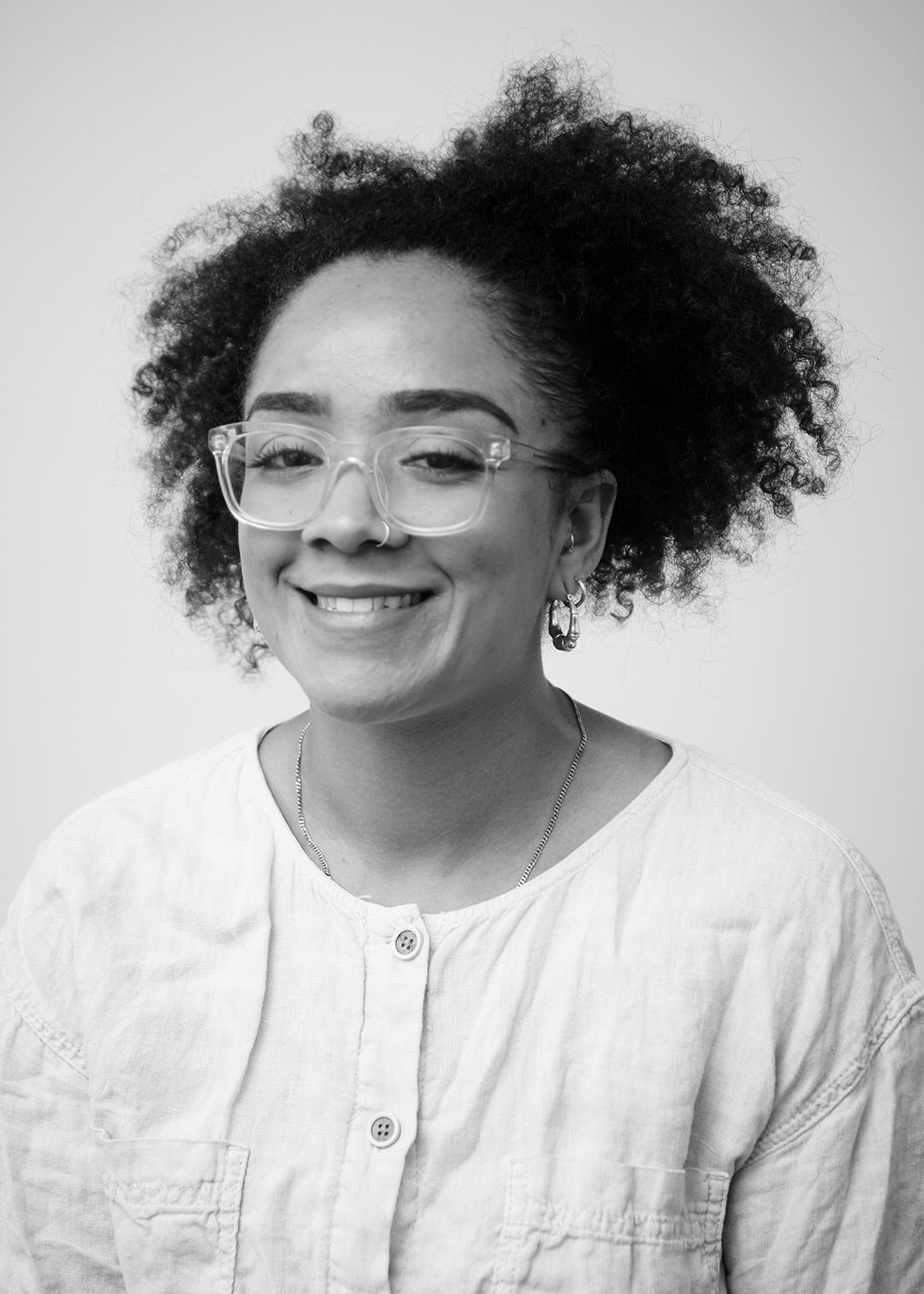
Amber McKenzie:
Amber McKenzie is a Postdoctoral Researcher at the King’s Centre for Military Health Research (KCMHR), King’s College London, and a recipient of a Wellcome Trust Accelerator Award investigating the experiences of racially and ethnically minoritised servicewomen and workplace intersectionality.
She joined KCMHR in 2018 and recently completed her PhD on adjustment disorder in the UK Armed Forces, using mixed methods to examine presentation, risk factors, and lived experiences.
Her current research explores health and work intersections, with a specific focus in the UK Armed Forces. Topics include sickness absence among women, ethnic minorities, and male-dominated occupations. She collaborates with several international institutions including Queen’s University (Canada), Rutgers University (USA), and Nordland Hospital (Norway) on projects spanning bullying in military-connected youth, intersectionality, and occupational health.